
The Black Sheep
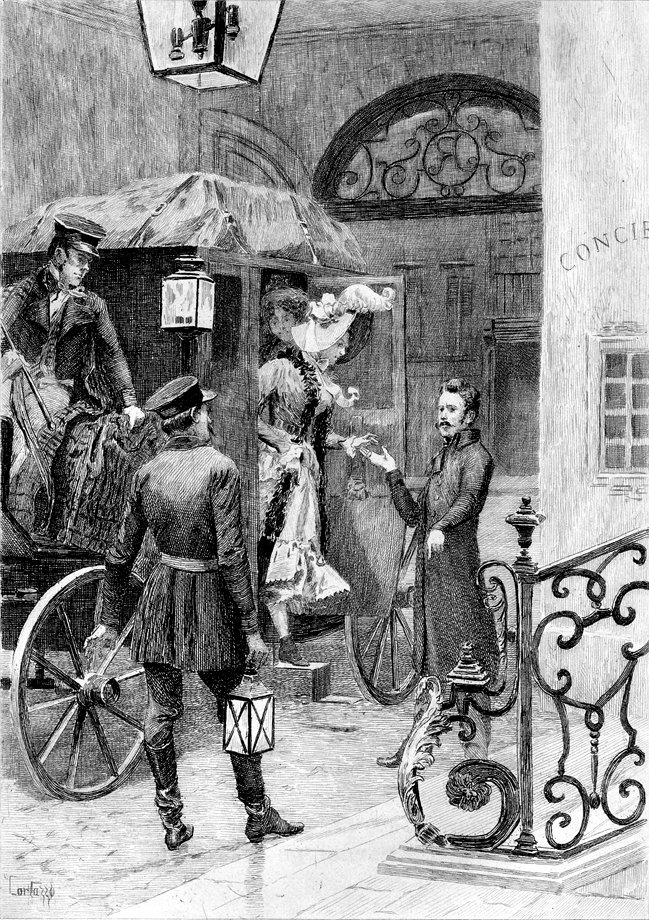
La Rabouilleuse (or Un ménage de garçon), the third of the Bachelors, is a violent drama of family cupidity and predation. The Bridau family counts two sons whom everything opposes: Philippe, a former officer of the Empire become, at Napoleon's fall, a brutal ruffian, gambler, and debauchee, ready for anything for money; and Joseph, an honest, disinterested painter, devoted to a difficult but dignified career. Their mother, Agathe, blindly adores the unworthy son and neglects the artist. The novel's stake is the fortune of Uncle Jean-Jacques Rouget, a rich bachelor of Issoudun fallen under the domination of his servant-mistress, Flore Brazier, called "la Rabouilleuse" (from her childhood occupation of stirring water to catch crayfish), and of her lover Maxence Gilet, a former soldier as redoubtable as he is seductive, leader of a band of idle youths. Flore and Maxence maneuver to capture Rouget's inheritance. Philippe, more brutal and cunning still, comes down to Issoudun to dispute the prey: he provokes Maxence, kills him in a duel, subdues Flore, seizes the weakened mind of his uncle, and ends by appropriating the fortune. Become rich, he marries Flore, whom he debases and drives to a wretched death, then rises in the world, titled and decorated, before knowing decline in his turn. Joseph, the artist remaining poor and upright, embodies the moral grandeur opposed to his brother's criminal success. Balzac paints the violence of former soldiers of the Empire returned to civilian life, the savagery of provincial struggles over money, and maternal blindness. Dark and powerful, the novel is a study of predation and criminal energy, dominated by the unforgettable figures of Philippe Bridau and la Rabouilleuse.
Characters appearing 102
- BAUVAN (Comtesse de)
- BEAUSSIER
- BEAUSSIER the younger
- BEGRAND (La)
- BIANCHON (Horace)
- BIROTTEAU (Cesar)
- BIXIOU
- BIXIOU
- BIXIOU (Jean-Jacques)
- BORNICHE
- BORNICHE (Adolphine)
- BORNICHE (Baruch)
- BORNICHE (Monsieur and Madame)
- BOURDET (Benjamin)
- BRAMBOURG (Comte de)
- BRAZIER
- BRIDAU
- BRIDAU (Agathe Rouget, Madame)
- BRIDAU (Flore Brazier, Madame Philippe)
- BRIDAU (Joseph)
- BRIDAU (Madame Joseph)
- BRIDAU (Philippe)
- BRUEL (Claudine Chaffaroux, Madame du)
- BRUEL (Du)
- BRUEL (Jean-Francois du)
- CABIROLLE (Agathe-Florentine)
- CABIROLLE (Madame)
- CAMUSOT
- CARDOT (Jean-Jerome-Severin)
- CARPENTIER
- CESARINE
- CHAUDET (Antoine-Denis)
- CHAULIEU (Henri, Duc de)
- CHRESTIEN (Michel)
- CLAPARON
- CLAPARON (Charles)
- COGNET
- COGNET (Madame)
- COLOQUINTE
- CORALIE (Mademoiselle)
- DESCOINGS
- DESCOINGS (Madame)
- DESCOINGS (Monsieur and Madame)
- DESPLEIN
- DESROCHES
- DESROCHES
- DUPLAY (Madame)
- FANCHETTE
- FARIO
- FICHET (Mademoiselle)
- FINOT (Andoche)
- GANIVET
- GANIVET (Mademoiselle)
- GERARD (Francois-Pascal-Simon, Baron)
- GILET (Maxence)
- GIRAUD (Leon)
- GIROUDEAU
- GOBSECK (Esther Van)
- GODDET
- GODESCHAL (Francois-Claude-Marie)
- GODESCHAL (Marie)
- GRANDLIEU (Duc Ferdinand de)
- GRANDLIEU (Mademoiselle de)
- GRASSOU (Pierre)
- GROS (Antoine-Jean)
- GRUGET (Madame Etienne)
- HAUDRY
- HERON
- HOCHON
- HOCHON
- HOCHON (Francois)
- HOCHON (Madame)
- KOUSKI
- LACROIX
- LEMIRE
- LORA (Leon de)
- LORAUX (Abbe)
- LOUSTEAU
- LOUSTEAU (Etienne)
- LUPEAULX (Clement Chardin des)
- MAGUS (Elie)
- MATIFAT
- MAUFRIGNEUSE (Duc de)
- MIGNONNET
- MOUILLERON
- NATHAN (Madame Raoul)
- POTEL
- RABOUILLEUSE (La)
- REGNAULD (Baron)
- RENARD
- RHETORE (Duc Alphonse de)
- RIDAL (Fulgence)
- ROGUIN
- ROUGET (Doctor)
- ROUGET (Jean-Jacques)
- ROUGET (Madame)
- SCHINNER (Hippolyte)
- SERIZY
- SOULANGES (Amelie de)
- TOUCHES (Mademoiselle Felicite des)
- VEDIE (La)
- VERNOU (Felicien)