
An Episode Under the Terror
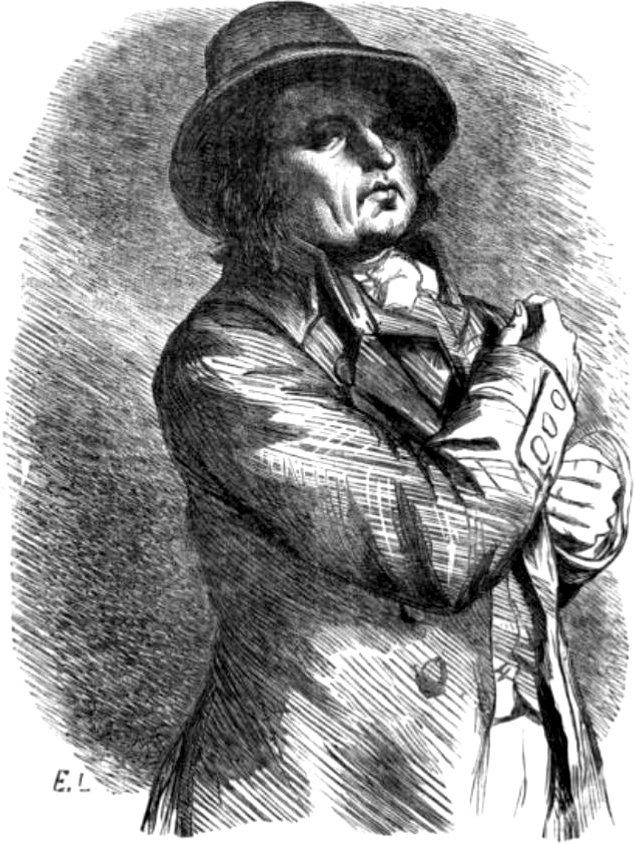
Un épisode sous la Terreur is a striking tale that opens a window onto the dark hours of 1793. On a freezing January night, an old woman crosses the streets of Paris furtively, followed by a disquieting stranger who seems to be watching her. Frightened, she takes refuge in a wretched lodging where two nuns and a refractory priest, escaped from the revolutionary persecutions, live in hiding. There, in the greatest secrecy and at peril of their lives, these faithful prepare to celebrate a clandestine mass. The man who followed them finally presents himself at their door: far from a denouncer, he comes to ask them to celebrate an expiatory mass in memory of King Louis XVI, executed a few days before. This mysterious stranger, who then returns to haunt their refuge, proves at the end to be one of the king's executioners — the headsman himself — gnawed by remorse at having taken part in the regicide and seeking, in this secret mass, an impossible absolution. Balzac paints the atmosphere of terror, distrust, and clandestinity that reigned under the Convention, and explores the theme of remorse and redemption through the tragic figure of the executioner. The tale, of remarkable dramatic intensity, stages the persistence of faith and moral conscience at the heart of revolutionary barbarism. The final reversal, which transforms the supposed persecutor into a penitent tortured by his crime, gives the story its force and scope. Inaugurating the Scenes of Political Life, this text illustrates how the great upheavals of history crush individuals and burden consciences. It is a meditation on guilt, forgiveness, and fidelity, set at the blackest point of the Revolution.